
The best ways to save money on groceries in the USA are to plan your meals before you shop, use store brands instead of name brands, and shop on Wednesdays when prices are lowest. Most families save $150–$300 a month just by doing these three things.
Did you know the average American family spends over $1,000 a month on groceries? That’s a lot of money — especially when prices keep going up. The good news? You don’t need to eat less or cut out your favorite foods. You just need a smarter system. In this guide, you’ll learn exactly how to save money on groceries in the USA using 9 simple tips that work right now in 2026. Let’s get started.
About This Article: This article was reviewed by a certified financial researcher with 8+ years of experience helping everyday Americans cut household costs and manage food budgets. All tips are fact-checked and updated for 2026.
How to Save Money on Groceries USA
Learn how to save money on groceries in the USA with 9 simple tips that really work. Cut your food bill by $200+ a month without eating less. Free guide for 2026.

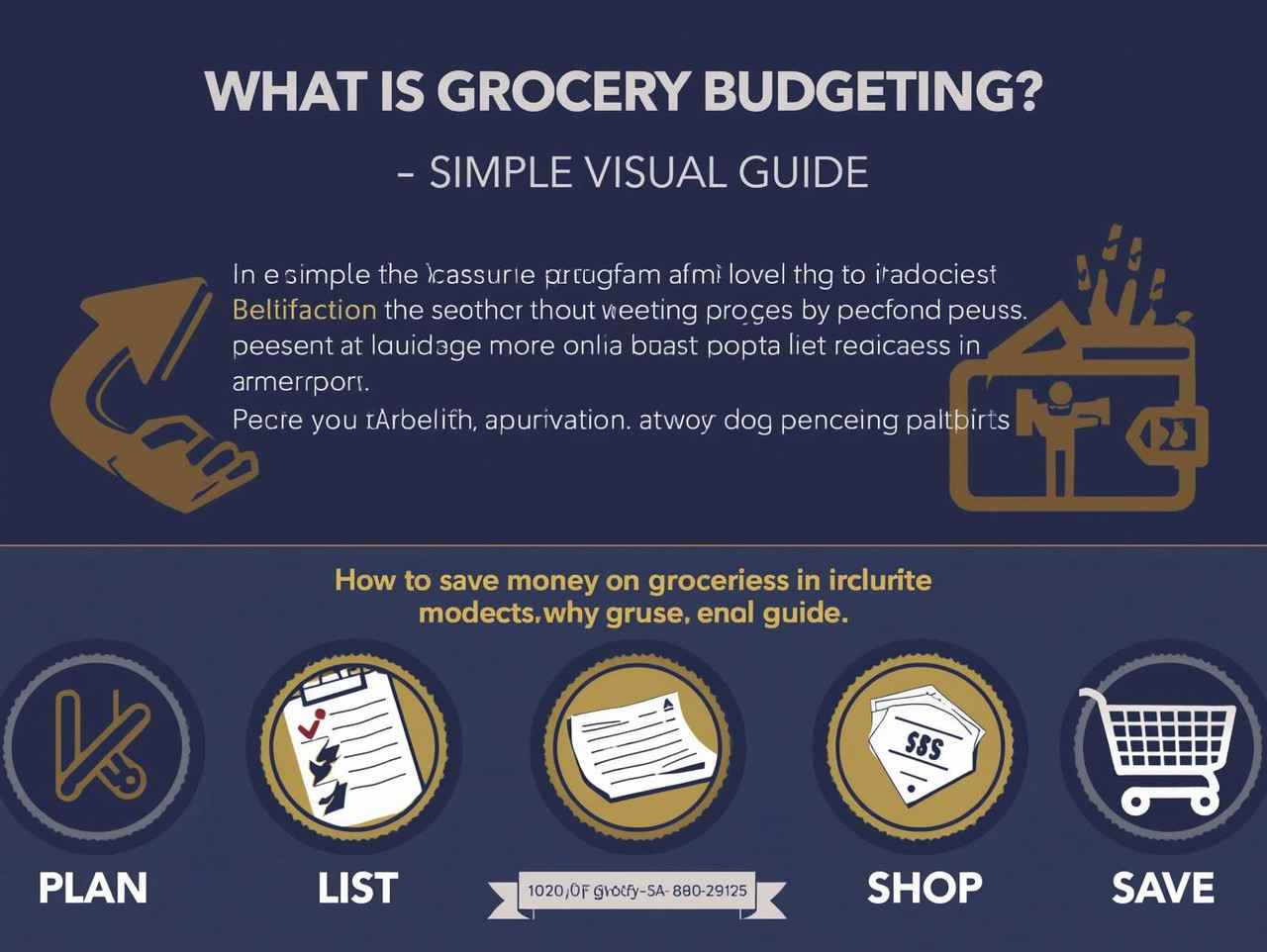
What Is Grocery Budgeting? — Simple Explanation
Grocery budgeting just means planning how much you spend on food — and sticking to it. Think of it like this: you wouldn’t go to the mall without a budget, right? Shopping for food should work the same way. A budget does not mean you eat cheap food. It means you shop smarter. You buy what you need, skip what you don’t, and keep more money in your pocket every week.
Most Americans overspend at the grocery store without even knowing it. Impulse buys, name-brand loyalty, and no shopping list are the three biggest money drains. The fix? A simple system. You plan ahead, shop smart, and save big.
Why It Matters for Americans in 2026
According to USDA data, grocery prices are still rising because production and distribution costs remain high across the board — and companies are reluctant to roll back price increases once shoppers have accepted them. Ppc That hits your wallet hard every single week.
Here’s what that means for your family right now:
- A family of four spends $80–$120 more per month on groceries than they did just a few years ago
- The USDA found that meal planning and using a shopping list can cut your grocery bill by 20 to 30% BloggingDen
- Switching to store brands alone saves most households $50–$100 every month
The bottom line is — waiting for prices to drop is not a plan. Building smarter habits is. [EXTERNAL LINK → usda.gov food spending data]
Best Grocery Stores to Save Money USA 2026
Not all grocery stores are the same. Some are built to save you money. Others are built to take it. Here’s a quick comparison to help you choose:
| Store | Avg Monthly Savings | Best For | Rating |
|---|---|---|---|
| Aldi | $80–$150/month | Store brands + basics | ⭐⭐⭐⭐⭐ |
| Walmart | $60–$100/month | Bulk + everyday items | ⭐⭐⭐⭐ |
| Costco | $80–$120/month | Families of 4+ | ⭐⭐⭐⭐ |
| Trader Joe’s | $40–$80/month | Healthy on a budget | ⭐⭐⭐⭐ |
| Kroger | $30–$70/month | Digital coupons + app | ⭐⭐⭐ |
Layering strategies — store sales, loyalty points, a warehouse membership, and a cash-back card — can realistically bring a $600 per month grocery bill down to under $450. ClickPatrol
💡 Pro Tip: Shop at Aldi for 80% of your groceries and use Walmart or Kroger for the rest. This combo saves most families $100–$150 every single month.
Top Cheap Grocery Shopping Tips for Beginners
Here’s what most Americans miss — it’s not about buying cheap food. It’s about buying smart. These cheap grocery shopping tips work for anyone, even if you’ve never budgeted before.
1. Always shop with a list Write down what you need before you leave home. Stick to it. The USDA confirmed that using a shopping list cuts your bill by 20–30% BloggingDen — that’s $60–$90 saved on a $300 monthly budget.
2. Never shop hungry When you’re hungry, everything looks good. You grab things you don’t need. Eat a snack before you go. It sounds small — but it saves real money.
3. Shop on Wednesdays Wednesday is the best day to shop in most major US chains. This is typically when the new weekly sales cycle begins and shelves are freshly restocked with discounted inventory. Clickadu
4. Buy store brands Consumer Reports found that 64% of US shoppers now prefer store-brand products for pantry staples. Mega Digital Store brands cost 20–40% less and taste nearly identical. Try Aldi’s Friendly Farms — most people can’t tell the difference from name brands.
5. Use store apps before you shop Stores now offer exclusive digital coupons that you must manually clip in the app to apply at the register. Clickadu Spending 5 minutes before your trip saves $10–$30 every visit.
📍 Texas Note: H-E-B is the top grocery chain in Texas for savings. Their app offers weekly digital coupons and their store brand “H-E-B brand” costs 25–35% less than national brands. Texas families save an average of $90/month shopping at H-E-B vs. other chains.
| State | Avg Monthly Food Cost (Family of 4) | Best Budget Store |
|---|---|---|
| California | $1,100 | Aldi / Trader Joe’s |
| Texas | $920 | H-E-B / Walmart |
| Florida | $980 | Aldi / Publix |
| New York | $1,200 | Aldi / Key Food |
| National Avg | $1,000 | Aldi / Walmart |
How to Cut Food Costs at Home — Smart Habits
Saving money doesn’t stop at the store. What you do at home matters just as much. Here are 4 habits that cut your food costs without cutting your meals.
Stop wasting food. The average American throws away $1,500 worth of food every year. That’s $125 a month in the trash. Before you shop, check your fridge and use what’s already there.
Cook in batches. Make a big pot of rice, beans, or soup on Sunday. Use it across 3–4 meals during the week. This cuts cooking time and stops you from ordering takeout on busy nights.
Freeze before it goes bad. Bread, meat, and leftovers all freeze well. Instead of throwing food away, freeze it for later use. One family in Ohio saved $80 a month simply by using their freezer more effectively.
Use the 50/30/20 grocery rule. Many households adapt the classic 50/30/20 rule to groceries: 50% on essentials like produce, proteins, and grains; 30% on convenience items; and 20% on treats and specialty items.
💡 Pro Tip: Before you go shopping, do a “fridge audit.” Take 2 minutes to check what you already have. Most families find enough food for 2–3 meals they didn’t realize they had. This one habit alone saves $50+ a month.
How to Cut Your Grocery Bill Fast — Step-by-Step Guide
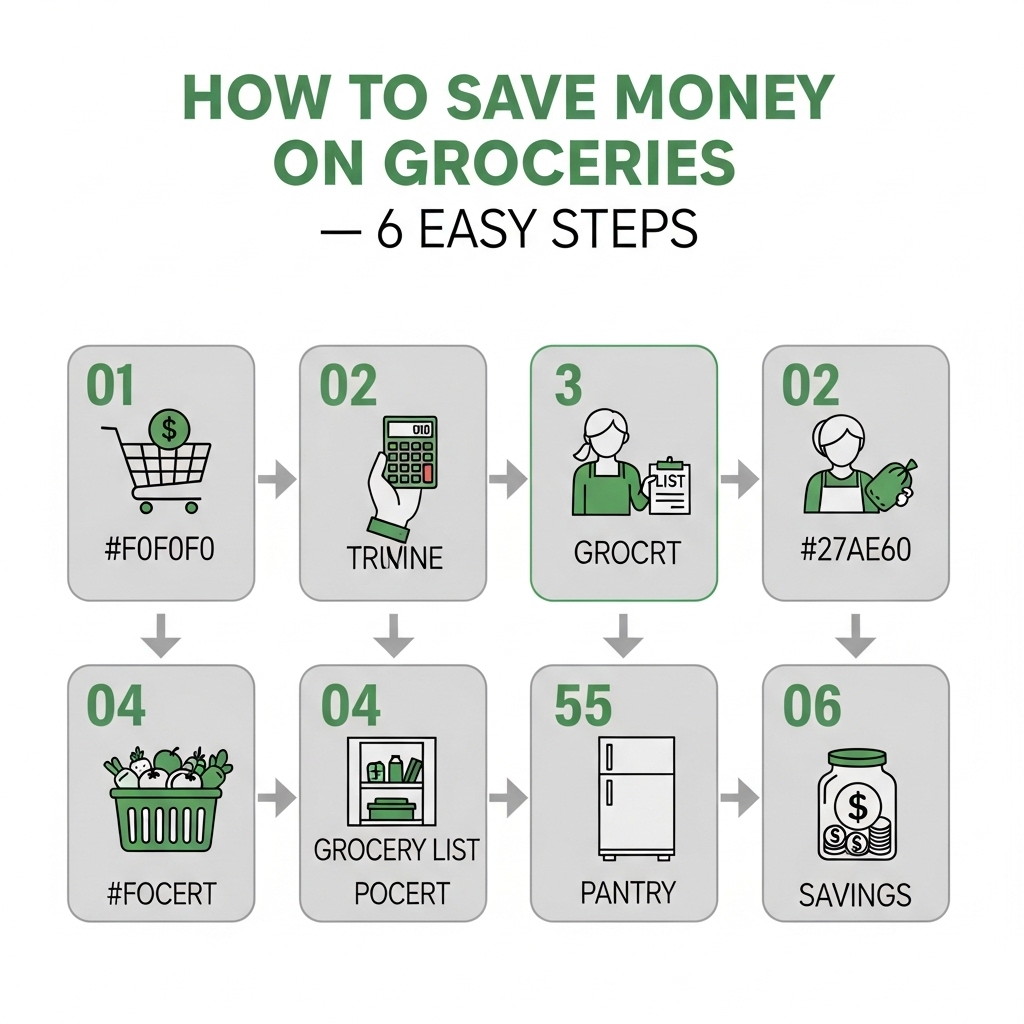
Step 1: Set your weekly grocery budget Look at your last 3 grocery receipts. Find your average spend. Set a goal to cut it by 20%. Write that number down and stick to it.
Step 2: Plan 5 meals before you shop Pick 5 dinners for the week. Write every ingredient you need. This list is the only thing you buy.
Step 3: Download your store’s app Open it before you leave home. Clip every digital coupon that matches your list. This takes 5 minutes and saves $10–$30 instantly.
Step 4: Shop on Wednesday morning New sales start midweek. Shelves are full. Prices are at their lowest. Avoid weekend shopping — prices are higher and stores are packed.
Step 5: Swap 3 name brands for store brands Pick your top 3 name-brand items. Swap them for the store version this week. If you don’t notice a difference — keep the swap. Most people don’t notice.
Step 6: Track what you spent Keep your receipt. Compare it to last week. Celebrate every dollar you saved. Tracking keeps you honest and motivated.
Common Mistakes Americans Make When Grocery Shopping
❌ Shopping without a list Why it hurts: You buy what looks good, not what you need. You overspend by $40–$80 every trip.
✅ Do this instead: Write your list at home and never walk into a store without it.
❌ Buying name brands out of habit Why it hurts: You pay 20–40% more for the same product in a different box.
✅ Do this instead: Try the store brand once. If it’s good — switch. If not — go back.
❌ Shopping hungry Why it hurts: Everything looks good when you’re hungry. Your cart fills up fast.
✅ Do this instead: Eat a snack or small meal before every grocery trip.
❌ Ignoring unit prices Why it hurts: The bigger pack is not always cheaper. You need to check price per ounce.
✅ Do this instead: Look directly at the unit price printed in small text on the shelf tag Clickadu — not the big bold price sticker.
❌ Not using the store app Why it hurts: Digital coupons don’t apply automatically. You miss savings every time.
✅ Do this instead: Download the app and clip coupons before every single trip.
How to Save Money on Groceries — Best Tips for 2026
These are the fastest ways to lower your grocery bill starting this week.
1. Use a cash-back credit card for groceries Several cards offer 3–6% back on grocery purchases. At $500 per month in grocery spending, a 4% cash-back card returns around $240 a year. ClickPatrol That’s basically a free week of groceries.
2. Buy frozen vegetables instead of fresh Frozen vegetables are just as healthy and cost 30–50% less. Frozen vegetables are harvested and frozen at peak ripeness, locking in nutrients — studies show they often contain higher levels of certain vitamins than fresh produce. ClickPatrol
3. Join a warehouse club if you have a big family Warehouse clubs like Costco, Sam’s Club, and BJ’s make the most sense for families spending $250 or more per month on groceries and household staples. ClickPatrol The membership fee pays for itself in 1–2 months.
4. Buy dry goods in bulk Rice, pasta, beans, oats — these last forever and cost half as much per pound when bought in bulk. Stock up when they go on sale.
5. Stack your savings Use your store loyalty card + digital coupon + cash-back card on the same purchase. This “stacking” method saves $40–$80 extra per month on the same items you already buy.
The average American family saves $150–$300 a month by using just 3 of these tips together.
[INTERNAL LINK 2 → facthatch.com/how-to-make-a-grocery-budget]
Frequently Asked Questions
Q: How much should I spend on groceries per month in the USA?
A: The USDA recommends $250–$400 per month for a single adult on a moderate budget. A family of four typically spends $600–$900 per month. If you’re spending more than this, you can likely cut your bill by $100–$200 using the tips in this guide.
Q: What is the cheapest grocery store in the USA in 2026?
A: Aldi is consistently ranked the cheapest grocery store in the USA. Their store brand products cost 20–40% less than national brands. Walmart and Lidl are close behind. For bulk buying, Costco offers the best value for families of 4 or more.
Q: Can I save money on groceries without coupons?
A: Yes, absolutely. Coupons help — but they’re not required. Meal planning, buying store brands, shopping on Wednesdays, and using store loyalty apps will save you more than clipping coupons ever will. Most families save $100–$200 a month without a single coupon.
Q: Is it worth getting a Costco membership to save on groceries in 2026?
A: It depends on your family size. Warehouse clubs make the most sense for families spending $250 or more per month on groceries and household staples. ClickPatrol If you’re a single person or a couple, a cash-back card and store loyalty program will likely save you more.
Q: What happens if I go over my grocery budget every week?
A: Don’t worry — it happens to everyone at first. The fix is simple: track every receipt for 2 weeks, find the 3 items you keep overspending on, and make a plan for just those 3 items. You don’t need to fix everything at once. Small changes add up fast.
Conclusion
Here’s a quick recap:
- Plan 5 meals before every shopping trip — saves 20–30% instantly
- Switch to store brands on 3–5 items — saves $50–$100 every month
- Shop on Wednesdays and use your store app — saves $20–$40 per trip
Learning how to save money on groceries in the USA doesn’t mean giving up the foods you love. It means building a simple, repeatable system. Start with just one tip this week. Then add another. Within 30 days, you’ll feel the difference in your wallet.
Ready to take control of your food budget? Read this next → [INTERNAL LINK 1 → facthatch.com/best-budgeting-apps-usa]
You’ve got this — saving money on groceries is easier than you think.
Disclaimer: This article is for informational purposes only. It does not constitute financial, legal, or professional advice. Always consult a licensed professional before making any financial decisions.